Automation Systems
Three automations that save 10 hours a week for service businesses
August 15, 20264 min
Build notes on Benji's Buns in NYC: one automation that turns a menu change into a blog post, social posts, and a Bun Club email, plus four failures we fixed.
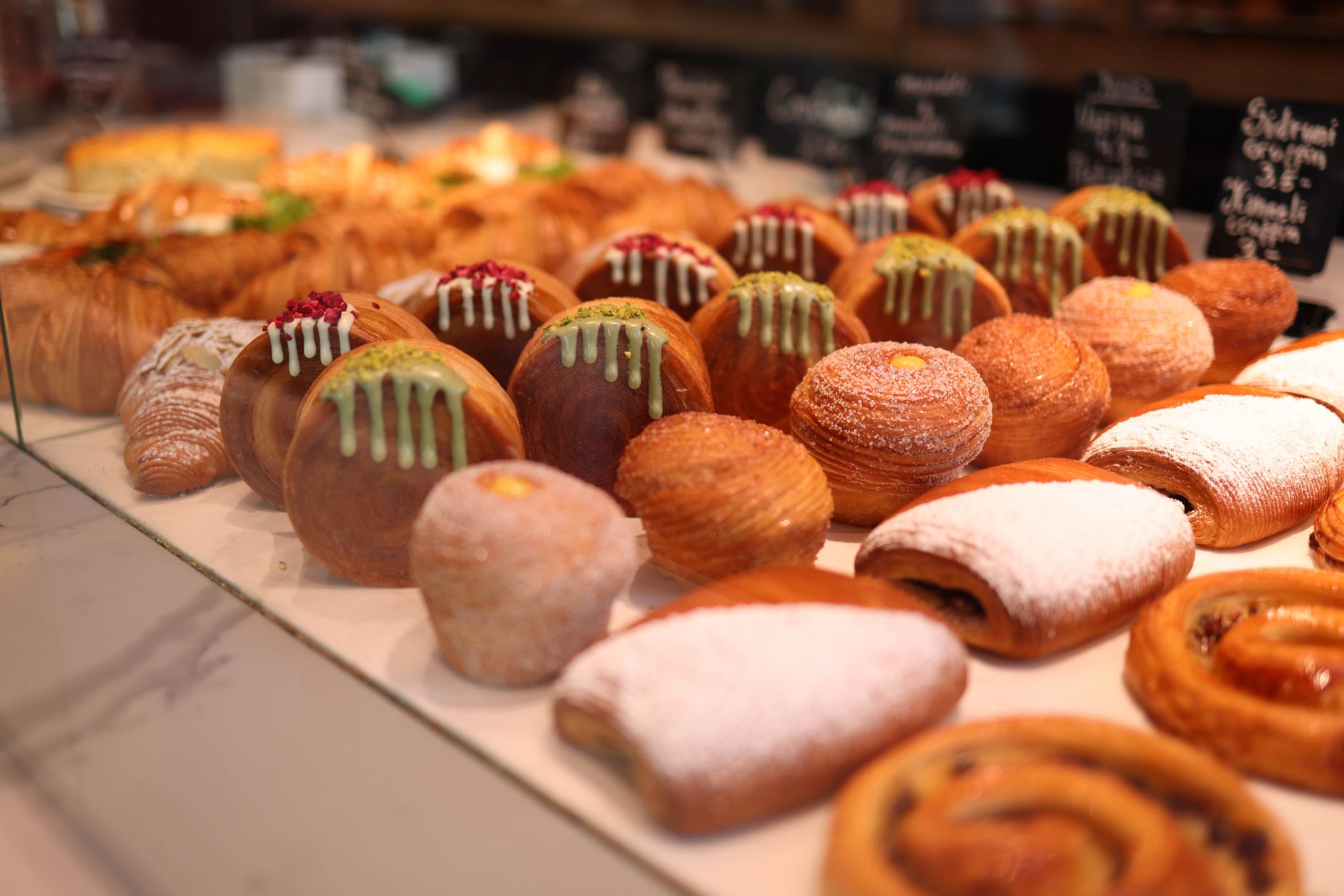
Benji's Buns is a cinnamon bun bakery in New York's West Village, and its flavors change every week. We built one automation that notices the menu changed, writes the announcement, and publishes it to the bakery's blog, Facebook, Google Business Profile, the Bun Club community, and a Bun Club email. The part that made it reliable was not the AI writing. It was the rules that stop the system from posting when something is wrong.
Disclosure: I hold an ownership interest in Benji's Buns. The numbers below come from the workflow's own run records.
A bakery with rotating flavors has a simple marketing problem that eats hours. Every week someone has to write the new flavors up, post them on social, update the Google listing, tell the loyalty club, and put something on the website. Miss a week and regulars do not know the new buns exist. Do it by hand and it competes with actually running a bakery.
The goal was one change in the bakery's menu system producing every announcement automatically, in Benji's voice, on the same day.
The automation runs on n8n, a workflow tool SimplySync hosts, and connects to the SimplySync platform that runs Benji's website, social accounts, community, and email list. Here is the order it works in:
The "no change, no post" rule. The fingerprint check means the automation can run as often as it wants without spamming anyone. On September 10, 2026, the day after a live drop, it ran, saw the same three flavors, and stopped without publishing or emailing.
Blog-first publishing. Every social post and email points at the blog article. Requiring that article to be live before anything else goes out means no one clicks a link from Facebook and lands on an error page.
Honest counting. The September 9, 2026 run processed 953 Bun Club contacts. 894 emails were accepted for delivery, 18 were rejected because the address itself was invalid, and 59 contacts were skipped because they had no usable email or had unsubscribed. The report said exactly that, instead of "sent."
One image system. Five square announcement graphics rotate in a fixed order across the blog, Facebook, Google Business, and the community, so the brand looks consistent without a designer touching each week.
This is the part most automation write-ups skip. Every one of these happened on a live system.
1. Text messages tripped a carrier limit (August 21, 2026). The original design also sent the flavor drop by text. Roughly 870 messages went out in one unstaggered burst at about two per second, and the carrier's velocity cap stopped the send partway through. We turned SMS off for this campaign. If it comes back, it will be batched, paced, and capped per day before a single message goes out.
2. Facebook and Google Business posts failed on the first live run (September 9, 2026). The blog and community post published, but Facebook and Google Business rejected the request because it was missing the account identity the platform requires. The community step had it; the other two did not. We added it to both, validated the workflow, and republished that week's two posts once. Both showed up live within a minute.
3. The retry path would have posted empty content. When the AI's first draft failed validation, the system correctly asked for a second one. But every publishing step was still wired to read the first, failed draft. On a bad week that would have posted blank announcements while the run looked successful. We added a single "approved copy" step that every channel now reads from, whichever draft passed.
4. The same article posted twice (found September 11, 2026). Posts were appearing twice on Facebook, Google Business, and the community. The cause was two systems doing the same job: an older feed that automatically shared every new blog article, and the new automation posting directly. We paused the old feed so the automation is the only thing that posts. Then we added a rule that if any channel fails, the run stops and asks for a person, after it has already marked that week as handled, so a retry can never email the whole club a second time.
Bonus fix. The 18 invalid email addresses from September 9 are now remembered. The system skips them on later weeks, and if a customer fixes their address, they are automatically included again.
A typical "AI marketing automation" connects a trigger to a posting tool and calls it done. It usually works on the demo and quietly fails in week three. What makes this one hold up:
I would design the one-owner-per-channel rule before the first live run instead of after the duplicates showed up. And I would have paced text messages from day one; carrier limits are documented, and a burst of hundreds of messages was never going to be safe.
Can this work for a restaurant or cafe that is not a bakery? Yes. Anything with a regularly changing menu, special, or lineup can drive it. The detection step just needs a reliable source for what changed.
Does a person approve every post? The copy is validated automatically, and I get a notice before it publishes. Any channel failure stops the run and waits for a person.
What happens to customers who unsubscribed? They are skipped on every run. The system only emails contacts with a usable, subscribed address.
How long did this take to get reliable? The core automation came first; the guardrails above were added across the live runs between August 21 and September 11, 2026.
Photo by Valeria Boltneva on Pexels.
Tagged

Founder of SimplySync AI. Dylan designs, builds, and maintains the AI systems, automations, and websites SimplySync ships for local businesses, and writes or reviews every article here.
Join local business owners getting weekly AI automation tips, case studies, and strategies you can actually use.
No spam. Unsubscribe anytime.
SimplySync AI installs AI systems that respond to every lead 24/7, follow up automatically, and book appointments while you focus on your work.